
Digital Strategy: Building a Powerful Roadmap for Sustainable Online Growth
In today’s competitive digital environment, success is no longer driven by random marketing efforts. Businesses need a clear, data-driven, and customer-focused digital strategy to stand out and grow consistently. A strong digital strategy acts as a roadmap that aligns business goals with digital channels, technologies, and user expectations.
With changing consumer behavior and evolving search engine algorithms, brands that invest in a structured digital strategy gain better visibility, stronger authority, and long-term trust. It is not just about being online; it is about being relevant, consistent, and valuable
Why Digital Strategy Is Critical for Modern Businesses
The digital space is crowded, and customers have endless choices. Without a defined digital strategy, marketing efforts often become scattered and ineffective. A clear strategy helps businesses focus on the right audience, platforms, and messaging.
A well-planned digital strategy ensures better resource allocation, measurable results, and continuous optimization. It allows brands to adapt quickly to market changes while maintaining consistency across all digital touchpoints
Core Elements of an Effective Digital Strategy
An effective digital strategy is built on a few essential components. These include clear business objectives, a deep understanding of the target audience, strong content planning, and the right use of technology.
Audience research plays a key role in shaping strategy. Understanding user intent, preferences, and pain points helps businesses create meaningful digital experiences. When strategy and user needs align, engagement and conversions improve naturally.
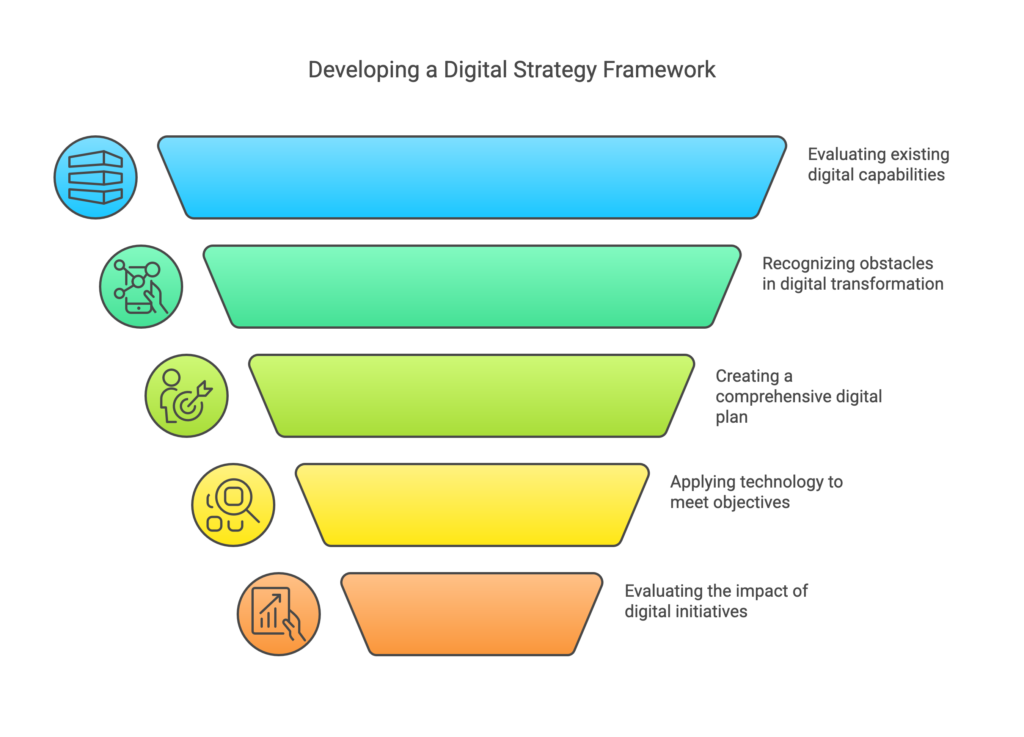

Role of Content in Digital Strategy
Content is the backbone of any successful digital strategy. High-quality, informative, and user-focused content helps brands establish expertise and trust. Search engines reward content that demonstrates real value and solves user problems.
A strong content strategy includes blogs, videos, social media posts, and visual assets designed to guide users through their journey. Consistent and relevant content improves organic visibility and strengthens brand authority over time.
SEO as a Foundation of Digital Strategy
Search engine optimization is a long-term investment and a critical part of digital strategy. SEO ensures that your content reaches the right audience at the right time through organic search.
Modern SEO focuses on user experience, content quality, site performance, and trust signals. A digital strategy that integrates SEO from the beginning helps achieve faster rankings and sustainable traffic growth without relying solely on paid ads.
Data-Driven Decision Making and Analytics
Data plays a central role in refining and improving digital strategy. Analytics tools provide insights into user behavior, traffic sources, engagement levels, and conversion paths.
By analyzing this data, businesses can identify what works and what needs improvement. Data-driven optimization reduces guesswork and allows marketers to make informed decisions that improve performance and return on investment.
Personalization and Customer Experience
Personalization has become a key expectation in the digital world. A modern digital strategy focuses on delivering personalized experiences based on user behavior, preferences, and interaction history.
From personalized emails to customized website content, tailored experiences increase engagement and build stronger relationships. When users feel understood, they are more likely to trust the brand and convert.
Digital Strategy and Social Media Integration
Social media platforms are essential channels for communication and brand building. An effective digital strategy integrates social media with content marketing, SEO, and customer engagement efforts.
Rather than focusing only on promotions, brands should use social media to share valuable content, interact with users, and build communities. Consistent messaging across platforms strengthens brand identity and trust.

Adapting Digital Strategy to Market Trends
The digital landscape evolves constantly, making adaptability a crucial part of digital strategy. Emerging technologies, changing algorithms, and shifting user expectations require continuous updates.
For example, many businesses are aligning their digital strategy with digital marketing trends in India, such as regional language content, mobile-first experiences, and local SEO. This adaptability helps brands stay relevant in fast-changing markets.
Trust, Transparency, and E-E-A-T Principles
Trust is a key factor in digital success. A strong digital strategy follows E-E-A-T principles by focusing on accurate information, transparent communication, and real expertise.
Publishing authoritative content, showcasing experience, and maintaining ethical practices improve brand credibility. Search engines and users both value trust, making it a core pillar of sustainable digital growth.

Long-Term Growth Through a Scalable Digital Strategy
A successful digital strategy is not built for short-term gains. It is designed to scale as the business grows. By continuously testing, analyzing, and optimizing, brands can maintain long-term momentum.
Scalability ensures that as traffic, audience size, and competition increase, the strategy remains effective and aligned with business goals.
Conclusion
A clear and well-executed digital strategy is essential for businesses aiming to achieve consistent online growth. From content and SEO to personalization and data-driven insights, every element plays a vital role in building authority and trust.
By aligning digital efforts with E-E-A-T principles and evolving market trends, businesses can create meaningful customer experiences and secure long-term success in the digital ecosystem.